
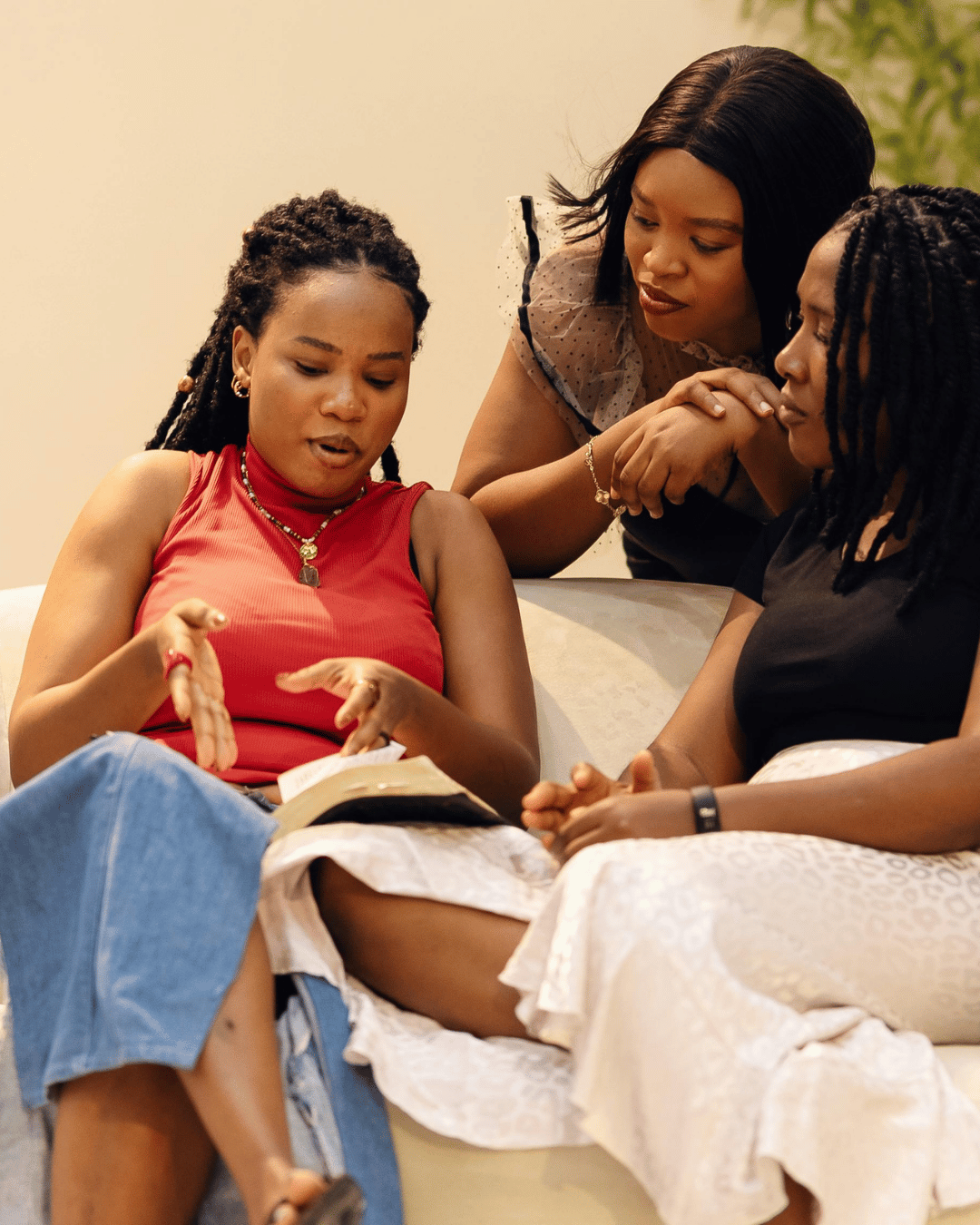
The Friendship Glow-Up: How Your Circle Changes in Your 30s and 40s
There comes a point in life when friendship starts to look very different.
In your teens and twenties, friendships often happen naturally. You’re surrounded by people at school, university, work, nights out and social events. Your circle may be large, busy and constantly evolving.
But somewhere along the way, something changes.
You realise you don’t have the time, energy or desire to maintain dozens of friendships.
And that’s not a bad thing.
In fact, for many women, their 30s and 40s are when friendship truly comes into its own.
Welcome to the friendship glow-up.
The Shift from Quantity to Quality
When we’re younger, friendship can often be based on proximity.
You become friends because you work together, study together, live nearby or share the same social circle.
As we get older, our friendships become more intentional.
We start asking different questions:
- Do I feel supported by this person?
- Can I be myself around them?
- Do they celebrate my wins?
- Do I leave conversations feeling energised or drained?
The result is often a smaller circle—but a stronger one.
And while losing connections can sometimes feel sad, making room for friendships that genuinely enrich your life is one of the healthiest things you can do.
Life Starts Pulling Everyone in Different Directions
One reason friendships change in our 30s and 40s is that life becomes more varied.
Some friends get married.
Some stay single.
Some have children.
Others focus on careers, travel, businesses or personal growth.
People move cities.
Change jobs.
Care for ageing parents.
Go through divorce.
Start over.
The paths that once felt similar begin to look very different.
This doesn’t mean friendships have failed.
It simply means people are growing.
The strongest friendships are often the ones that can evolve alongside those changes.
You Stop Tolerating One-Sided Relationships
One of the biggest friendship lessons women learn with age is that relationships should feel reciprocal.
You stop chasing people who never make an effort.
You stop carrying the entire friendship on your shoulders.
You stop constantly being the organiser, the listener or the emotional support system without receiving the same in return.
Instead, you begin to value mutual friendships.
The ones where effort flows both ways.
The ones where you’re checked on too.
The ones where support isn’t a one-way street.
Maturity often means recognising that protecting your energy isn’t selfish—it’s necessary.
Boundaries Become a Form of Self-Respect
In our younger years, many of us avoid difficult conversations because we don’t want conflict.
As we grow older, we realise boundaries don’t destroy healthy relationships—they strengthen them.
You become more comfortable saying:
- “I can’t make it this time.”
- “I need some space.”
- “That doesn’t work for me.”
- “I’m not available for that.”
Healthy friendships allow room for honesty.
The women who stay in your life through different seasons are usually the ones who respect your boundaries rather than resent them.
The Friends Who Matter Become Family
One of the most beautiful parts of friendship in adulthood is that the relationships become deeper.
The conversations move beyond surface-level updates.
You talk about fears.
Dreams.
Relationships.
Health.
Identity.
Loss.
Purpose.
The people who remain become witnesses to your life story.
They’ve seen multiple versions of you.
They know who you were, who you are and who you’re becoming.
And there’s something incredibly powerful about being truly known.
It’s Normal to Outgrow Some Friendships
This is perhaps the hardest lesson of all.
Not every friendship is meant to last forever.
Sometimes people grow in different directions.
Sometimes values change.
Sometimes life circumstances create distance.
And sometimes a friendship simply reaches its natural conclusion.
That doesn’t mean it wasn’t meaningful.
Some friendships are for a season.
Others are for a lifetime.
Both can be valuable.
Learning to let go without bitterness is one of the greatest signs of emotional maturity.
Why Making New Friends Matters
Many women assume that by their 30s or 40s, their friendship circle is set.
But some of the most meaningful friendships are formed later in life.
When you know yourself better.
When you’re more confident in your values.
When you’re looking for genuine connection rather than social validation.
New friendships can come from unexpected places:
- Communities
- Shared interests
- Fitness classes
- Volunteering
- Online groups
- Professional networks
- Mutual connections
It’s never too late to find your people.
The Rise of Intentional Sisterhood
Perhaps the biggest friendship trend among women today is the desire for deeper connection.
Women are increasingly looking for spaces where they can have real conversations, ask honest questions and share experiences without judgement.
They’re seeking community over competition.
Support over comparison.
Connection over perfection.
Because beneath all the noise of modern life, most women want the same thing:
To feel understood.
To feel supported.
To feel like they belong.
Final Thoughts
The friendship glow-up isn’t about having more friends.
It’s about having the right ones.
The women who celebrate your wins without jealousy.
The women who show up when life gets hard.
The women who make you laugh until your stomach hurts.
The women who remind you who you are when you’ve forgotten.
As your circle changes in your 30s and 40s, you may discover something surprising:
A smaller circle doesn’t mean a smaller life.
Sometimes it means a richer one.
Because the best friendships aren’t measured by how many people you know.
They’re measured by how deeply you’re known.
